An independent motion studio
Build a focused motion practice around clear briefs, deliverables and review rounds.
By Michael Santiago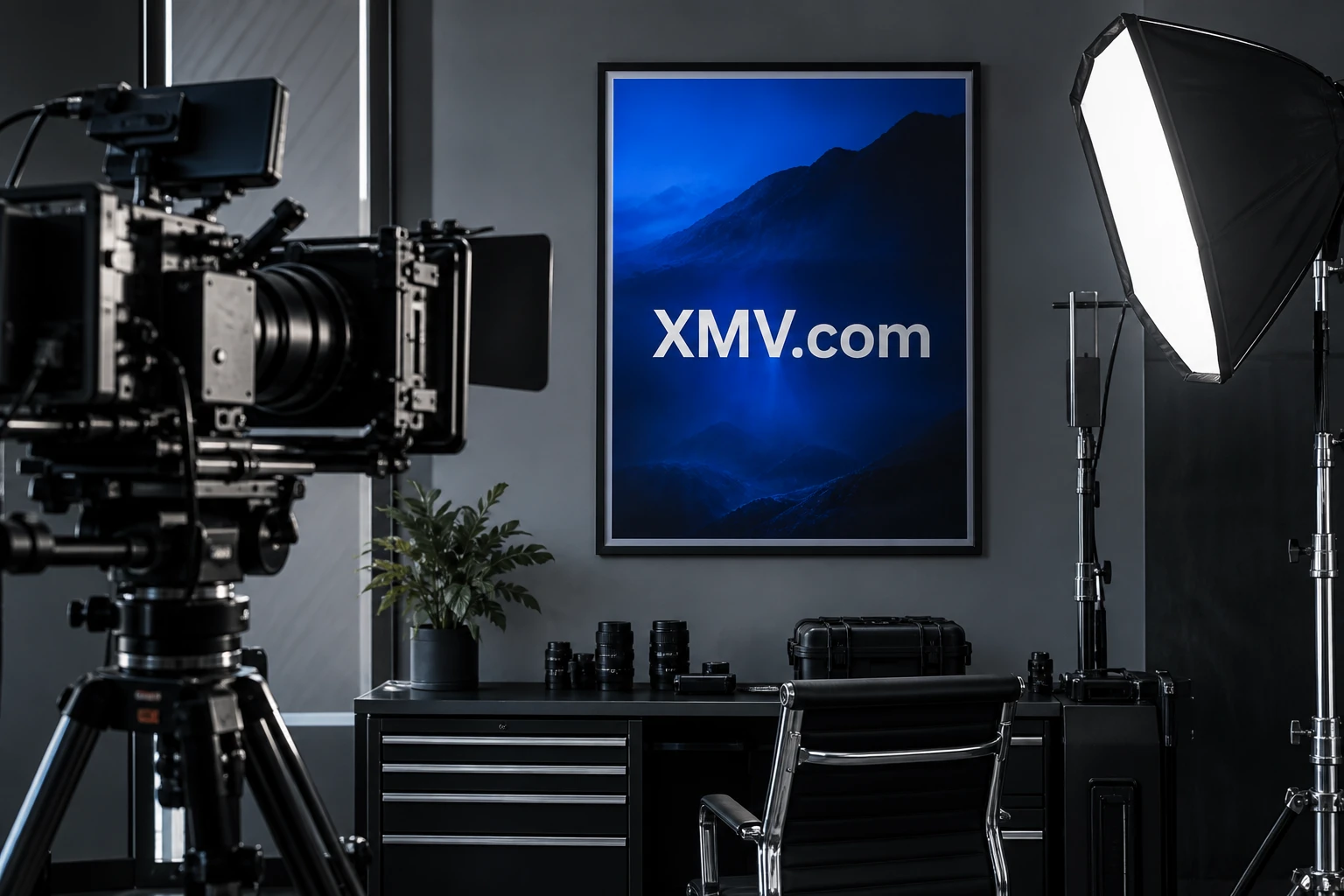
An independent motion studio could use XMV.com as the address for a focused creative practice: a small team producing motion work with a clear brief, defined deliverables and a manageable review process. This is an illustrative direction for a future owner. The domain offering does not include a studio, a client roster or the work shown in the concept imagery.
Pick a project the team can repeat
A new studio does not need to offer every kind of moving image. It could begin with product launch sequences, short brand films or animated explanations for software teams. Pick one type of project that the proposed team can execute well and describe the result in terms a buyer understands. “A thirty-second launch film with three social cutdowns” is easier to discuss than an open-ended promise of visual storytelling.
The customer might be a marketing lead who has a campaign date and approved messaging but lacks an internal motion team. That person needs to understand the working schedule, the inputs required and who signs off. Ask about the last similar project. Which decision arrived late? What did the team have to remake? Those answers should shape the offer more than a list of fashionable visual styles.
Write the brief around decisions
A practical brief names the audience, the action the film should support and the single message it needs to communicate. It should also list the places the work will appear. A presentation screen, a vertical social placement and a website hero create different framing needs. Agree the aspect ratios and durations before production so the final week is not consumed by unexpected adaptations.
Imagine a software company launching a new collaboration feature. The studio could propose one main film, a short silent version and a set of still frames. The client supplies approved product language and access to a demonstration environment. The studio supplies a treatment, a storyboard, an initial animation and the final exports. That sequence gives both sides concrete objects to review instead of asking for general approval of an idea.
Make revisions understandable
A review round should have a purpose and a decision maker. At the storyboard stage, the client approves the sequence and message. At the animation stage, they review timing and execution against that approved direction. A new storyline after animation has begun is different from correcting an agreed detail. The offer should explain how those changes are discussed and scoped, using examples instead of adversarial language.
Ask the client to consolidate feedback through one person. That person can resolve internal disagreements before instructions reach the studio. Keep a written record of approvals and the version under review. If the buyer needs additional stakeholders involved, put those reviews on the schedule early. A clear process is a practical way to protect the creative team's attention and the client's launch date.
Price from the work required
Build an internal estimate around the people and time needed for the proposed deliverables. Include planning, design, animation, project coordination, revisions and final preparation. Add any external costs that the project actually requires. Keep these assumptions visible to the team, even when the customer receives a single project fee. A polished offer can hide an unworkable schedule if nobody checks the work underneath it.
For a pilot, compare estimated hours with the work recorded after each milestone. A recurring overrun may mean the brief is too loose, the package includes too many versions or the approval process needs attention. Avoid treating unpaid extra work as proof that the package is working. The purpose of the pilot is to learn whether the studio can deliver the promised result sustainably, not to manufacture a flattering case study.
Prepare deliverables for their destination
Plan captions, readable on-screen information and other access needs before the film is finished. The W3C resource on planning accessible audio and video encourages early consideration of those requirements. In a studio brief, that means deciding who supplies and reviews each item and allowing time for it in the production schedule.
Specify the file formats, resolutions and versions the customer will receive. Clarify whether editable project files are part of the agreed delivery and identify any third-party assets whose use requires separate terms. The client should know what they can hand to another team for future changes. These are commercial details to settle in the project agreement, not assumptions to discover when someone asks for an editable file after launch.
Reach buyers through a useful sample
A credible distribution path would be a small portfolio tailored to one buyer type, supported by thoughtful introductions to agencies or internal marketing teams. A speculative sample must be labeled as such. Show the brief behind it and explain the decisions the work demonstrates. A buyer needs to judge whether the studio understands their problem, as well as whether they like the animation.
The XMV.com address could appear on the portfolio, proposal and review links. Its initials could support a visual identity built around motion, but the homepage would still need to say plainly what the studio makes. A future owner should test that description with prospective customers rather than assuming the letters carry a fixed meaning. The work and the offer would give the brand its substance.
Set up the first pilot
Draft a one-page offer for one deliverable package. Include the required inputs, milestones, review rounds, delivery formats and a named client approver. Ask a potential buyer to explain the scope back in their own words. Any uncertainty is an opportunity to improve the proposal before the project begins.
If this is the kind of practice you want to establish, an inquiry about XMV.com can outline the creative focus and the team behind it. The conversation can address acquiring the domain or considering a partnership proposal. The immediate business task remains concrete: create a bounded pilot that a client can understand and a small team can actually deliver.